Israel’s war created a large financing need, and U.S. public entities became part of the market helping absorb that debt. Financial Times described a post-Oct. 7 Israeli “borrowing spree” that reached U.S. municipalities, while Israel Bonds said it sold more than $3 billion globally in the six months after the Hamas attacks and that more than 35 U.S. state and municipal governments invested a combined $1.7 billion over that period.
Palm Beach was not an isolated oddity. It was the most aggressive visible example of a broader public-finance pattern in which treasurers and comptrollers argued that buying Israel Bonds served both political solidarity and portfolio yield. The clearest official examples I verified were in Palm Beach County, Ohio, Illinois, Pennsylvania, Oklahoma, and Florida state finance, with a related political-legal backdrop in Texas and Florida that made anti-boycott policy and pro-Israel investment policy move in the same direction.
https://www.mypalmbeachclerk.com/Home/Components/News/News/896/16
Palm Beach County became the centerpiece
Palm Beach County is the clearest case study because the size of its position became extraordinary. Its official 2024 audit showed $700 million in State of Israel bonds as of Sept. 30, 2024, representing 16.0% of the county’s total investment portfolio. The same audit defined “concentration of credit risk” as the risk of loss “attributed to the magnitude of an investment in a single issuer,” and it listed the county’s Israel holdings with ratings of A from S&P and Baa1 from Moody’s at that time. This rating reflects a medium-grade, investment-grade security with moderate credit risk. The rating is the lowest sovereign grade in the country’s history. It follows a series of downgrades from Israel’s preconflict rating of A1, which were driven by weakened fiscal positions and elevated defense spending. [1, 2, 3, 4] The county policy then capped Israel Bonds at 15% of the portfolio at time of purchase.
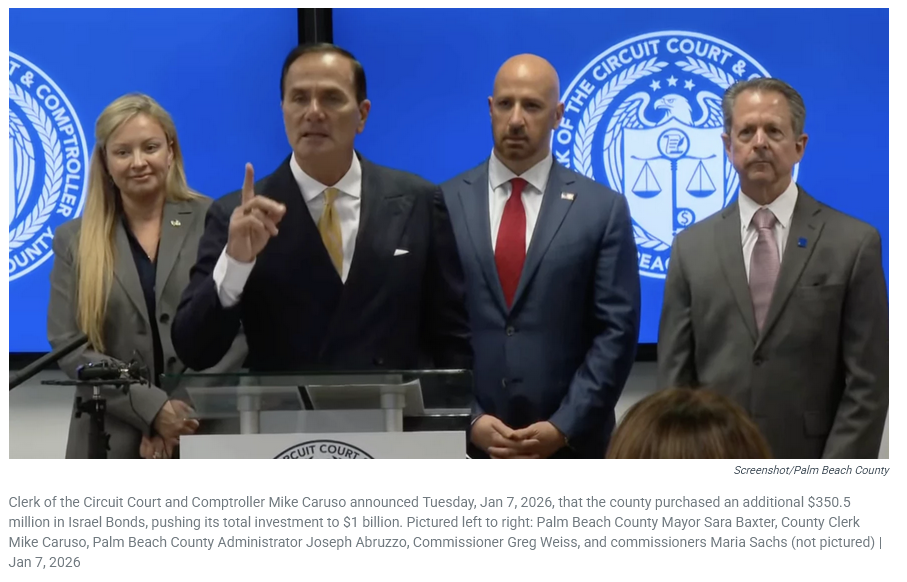
By January 2026, Palm Beach County’s clerk and comptroller Mike Caruso announced a fresh $350.5 million purchase, bringing the county’s total to exactly $1 billion. Caruso’s office called Palm Beach County the largest Israel Bonds investor in the world and said the county board had unanimously approved a temporary increase in the cap from 15% to 18% in October 2025. CBS12 and WLRN both reported the same expansion and described Palm Beach as the world’s largest local-government holder of Israel Bonds.
The chronology also matters. WLRN reported that Joseph Abruzzo, Caruso’s predecessor as clerk and now county administrator, said Palm Beach County had only $5 million in Israel Bonds in 2021 before the position ballooned. By early 2024 it had become the world’s largest local government investor with more than $700 million, and by early 2026 it reached $1 billion. In other words, this was not just passive rollover of longstanding holdings; it was a deliberate scaling up of exposure.
Palm Beach officials have defended the move as a return driven investment decision. Caruso said the county’s Israel Bonds were outperforming U.S. Treasuries and projected roughly $136 million in interest over the next two to three years, including roughly $23 million more than comparable alternatives would have produced. At the same time, there is a noticeable inconsistency in public messaging: the Jan. 6, 2026 county press release appears to attach that $136 million figure directly to the new $350.5 million purchase, while CBS12 and WLRN describe the $136 million more plausibly as an estimate tied to the broader $1 billion portfolio. That inconsistency does not disprove the yield claim, but it does mean the county’s public accounting around expected returns deserves closer scrutiny.
Click the picture or here to go to the WLRN article on the Palm Beach Purchase
Israel Bonds Network

In December 2023, Israel Bonds announced a new “Government, Industry, and Financial Services Leadership Group” chaired by Ohio Treasurer Robert Sprague and including Illinois Treasurer Michael Frerichs, Pennsylvania Treasurer Stacy Garrity, Oklahoma Treasurer Todd Russ, and Palm Beach County Clerk Mike Caruso. That means many of the same officials making or defending public purchases were also being publicly organized into a leadership structure around the product.
That overlap is not just superficial. ICIJ reported that Israel Bonds ran a sophisticated sales operation targeted at public money and found that many of the same financial officials buying Israel Bonds also moved in overlapping political networks, including conservative anti-ESG circles, while publicly framing the purchases as both solidarity and sound finance. In other words, the relationships were not hidden; they were institutionalized and public-facing.
In Florida, the legal architecture also moved in favor of these purchases. The Florida House page for CS/CS/HB 669 (2025) – Israeli Bonds shows Mike Caruso among the co-sponsors, and Florida legislative analyses explained that the bill expanded how counties, municipalities, and other political subdivisions could invest in Israeli bonds, including raising the statutory limit from 10% to 15% and authorizing such investments notwithstanding some otherwise applicable provisions. A Senate staff analysis explicitly referenced Palm Beach County’s existing investment posture when discussing the bill’s real-world effect.
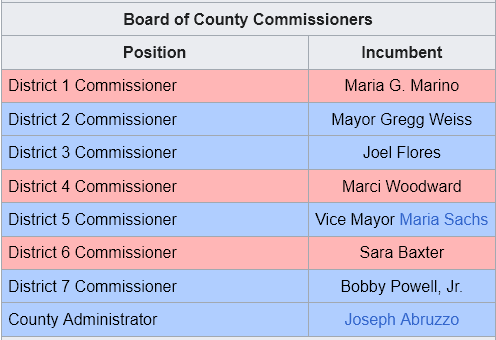
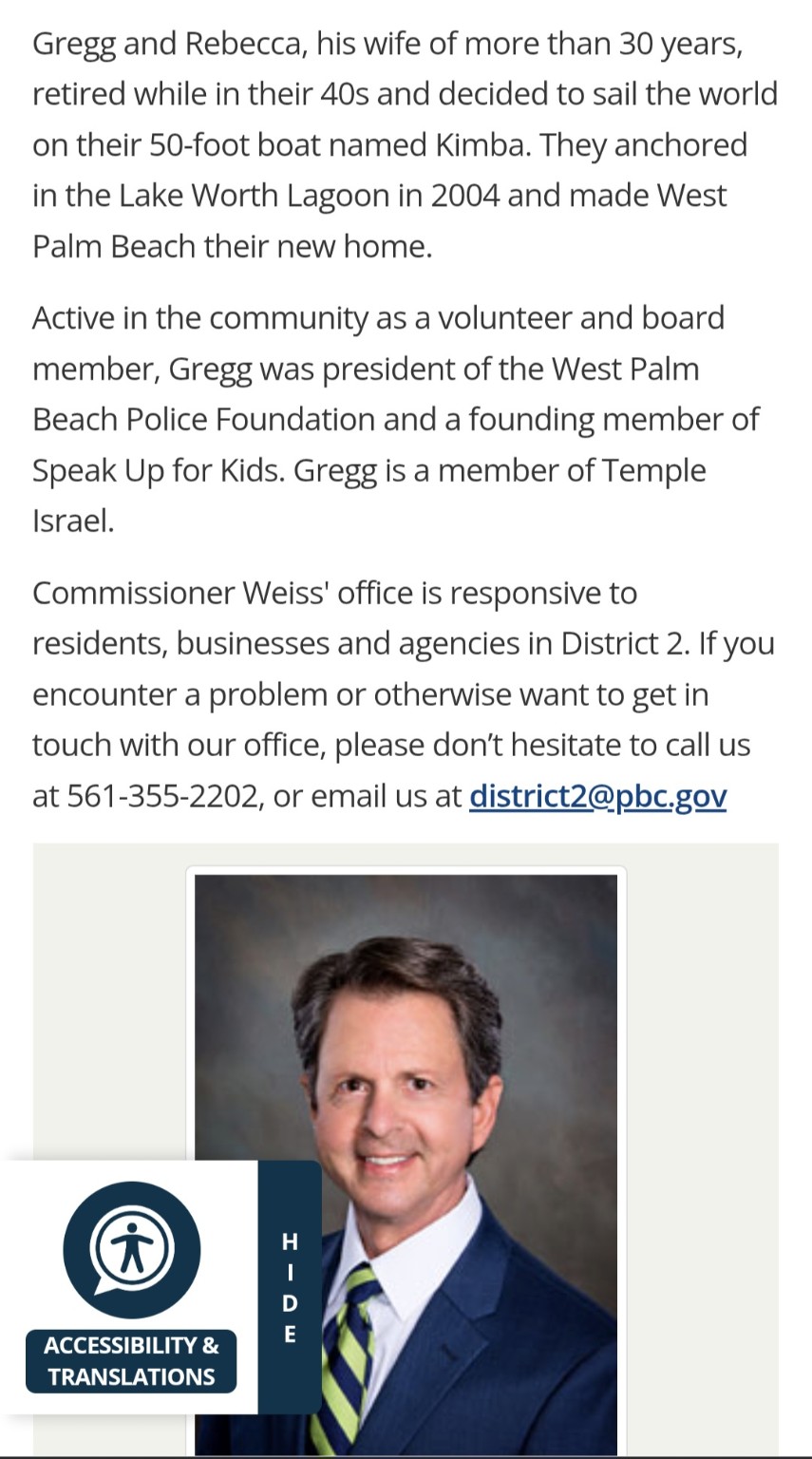
Palm Beach County has a seven member commission elected by district, and one commissioner is selected as mayor while another serves as vice mayor. The current list shows Gregg Weiss as Mayor and Maria Sachs as Vice Mayor.
Palm Beach has an above average percentage of its Population that has Jewish Heritage so it may seem as no surprise that they would see more backing to invest in Isreal Bonds. Although a large number of people of the Jewish faith are coming out and denouncing Israels actions in the Middle East, there are also those supporting them.
And its alarming how hard they push for Jewish peoples to support Israel even as they break commandments.
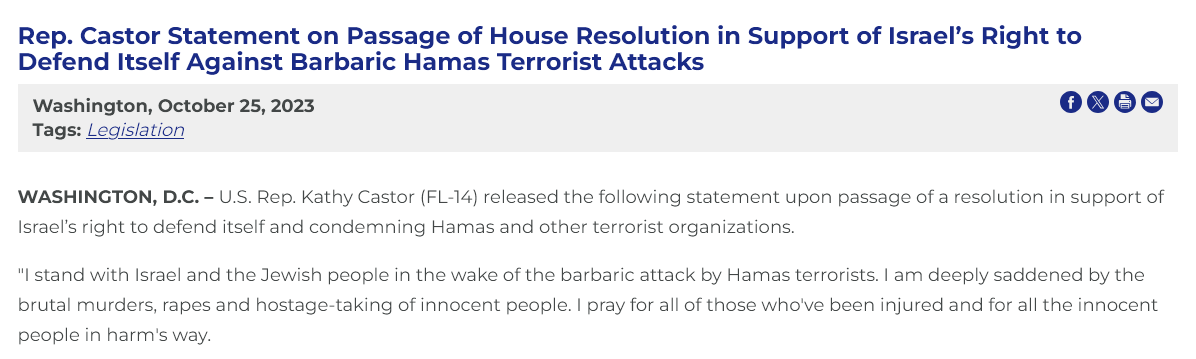
Interesting to me at the very least is the Rales family connection. They seem to do a lot of philanthropy in the Palm Beach area, and the Sons of Norman and Ruth. Just doing a quick look through open secrets it seems a lot of people that got money from someone in the Rales family would soon support Israels right to self defense. Which sounds great on paper if they weren’t using those money and weapons to inflict harm far past self defense.
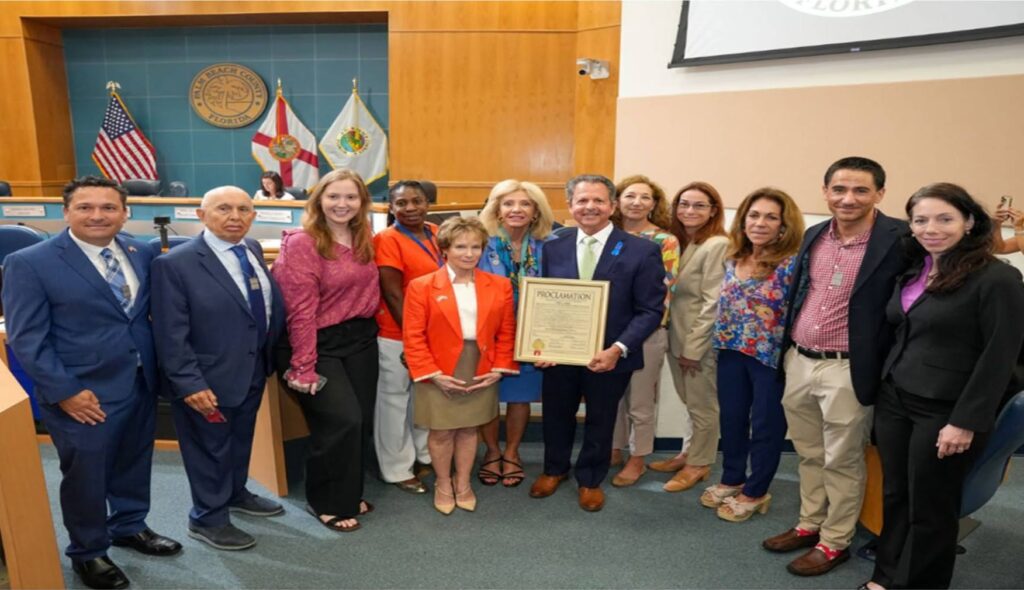
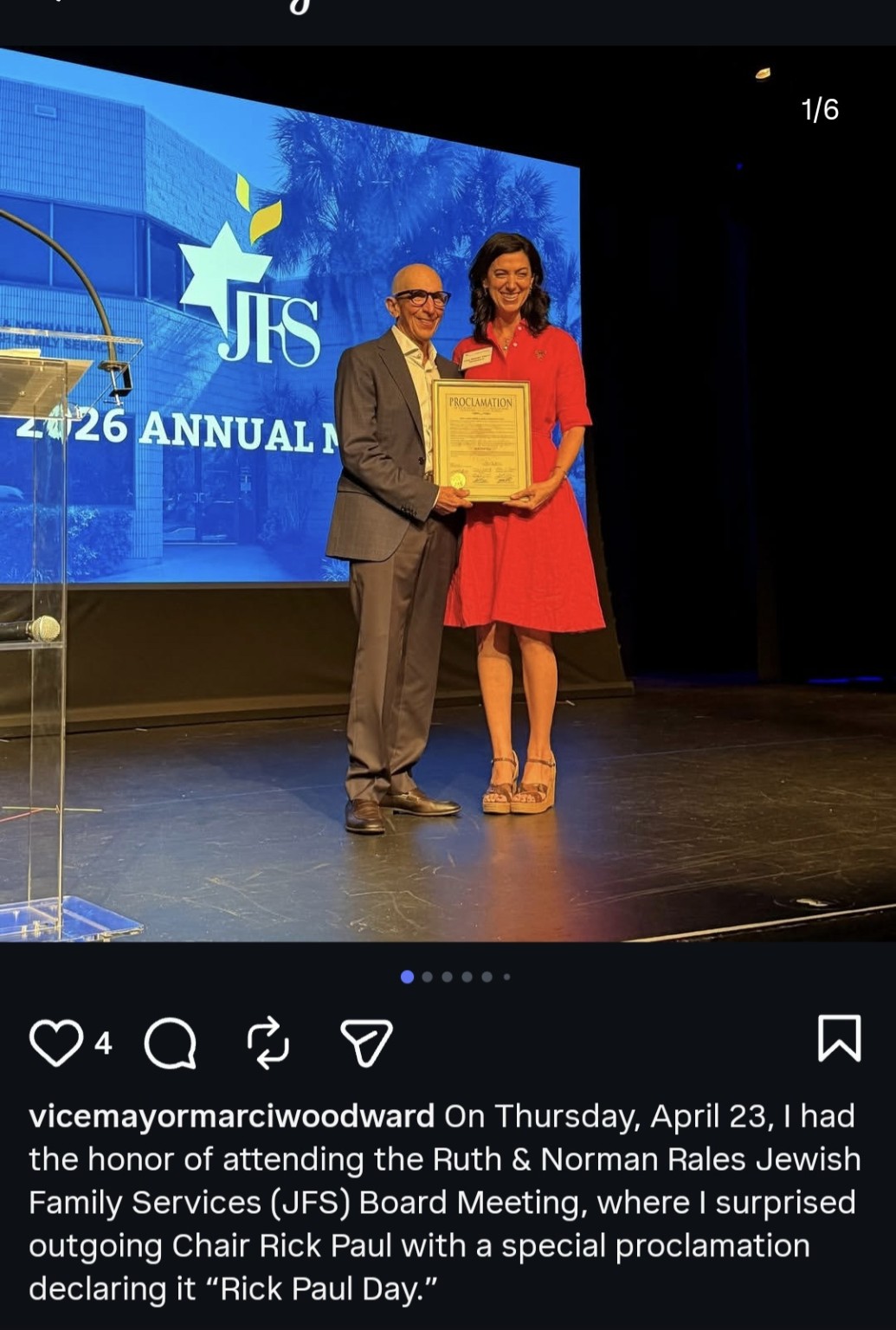
Now the county Commissioners meeting with a Jewish Philanthropy organization means very little. They are doing some great work and its admirable to see Billionaires actually give back to communities. Ruth and Norman Rales seemed like they were really admirable people. Their sons however have been caught up in several questionable things.
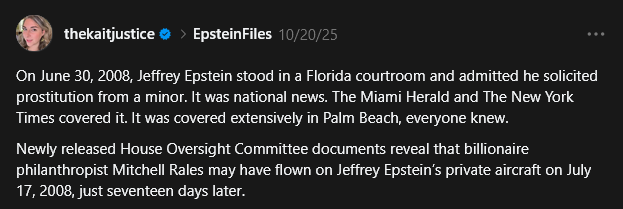
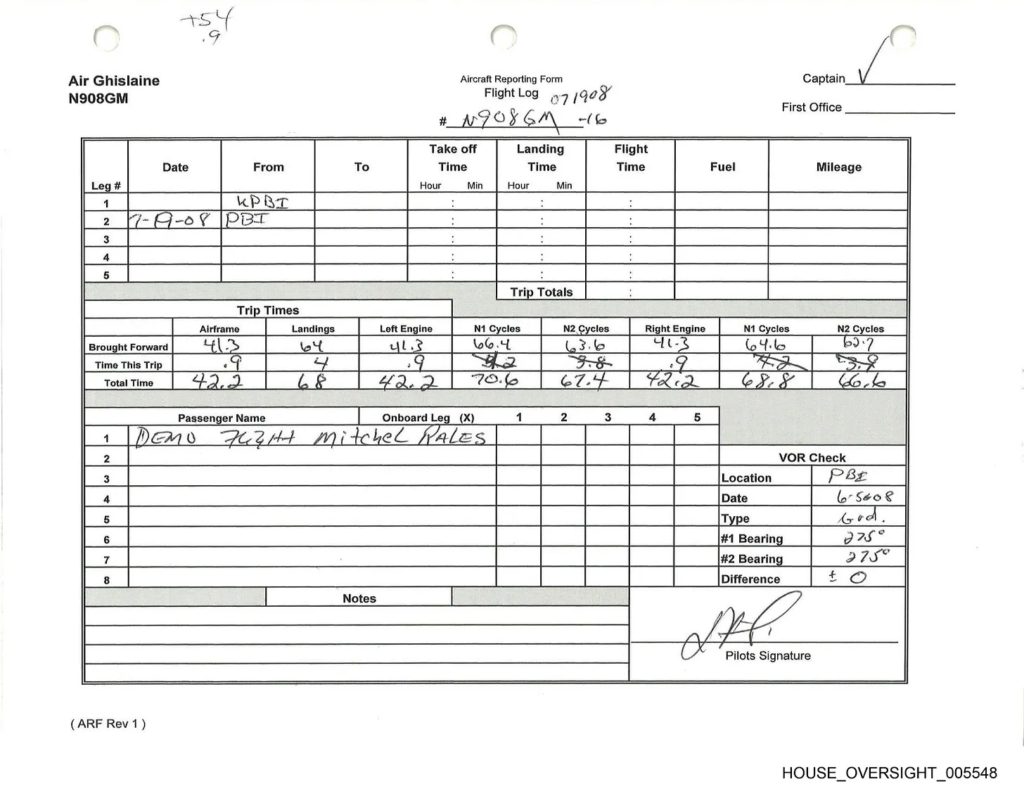
What really interested me was two things. The Rales boys supporting US political campaigns and most of them supporting sending Israel weapons and money. As well as the Rales family supporting Blue Square Alliance with VERY LARGE SUMS of money to “Stop the spread of Antisemitism” Which many of theses laws have gone far past stopping Antisemitism, and have gone so far as to control how government entities invest their money, if they are allowed to Divest from Israel, and preventing small businesses that have Boycotted Israel from receiving government contracts.
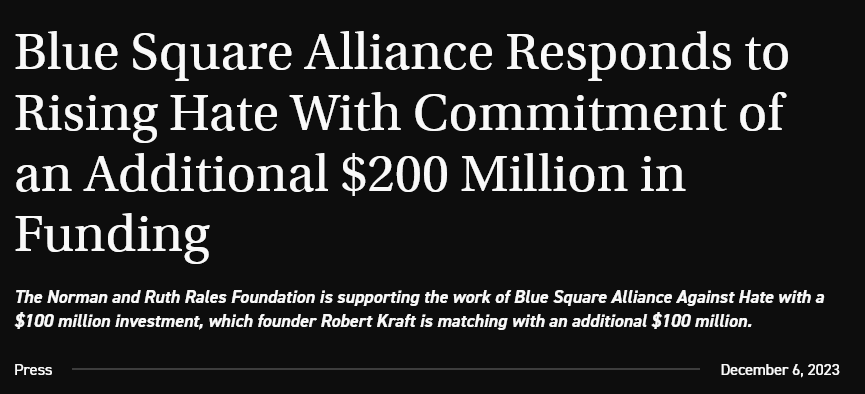






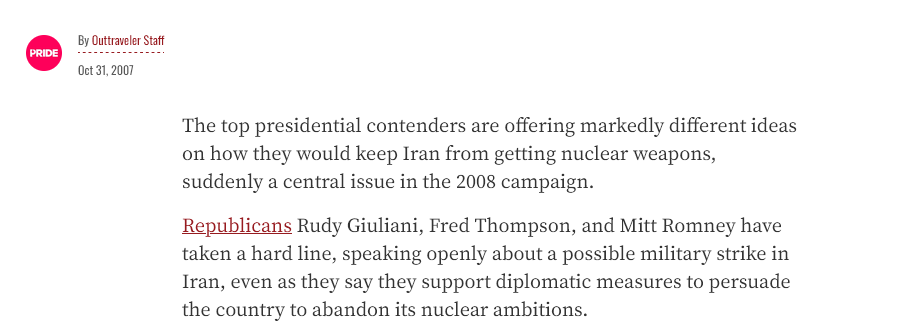
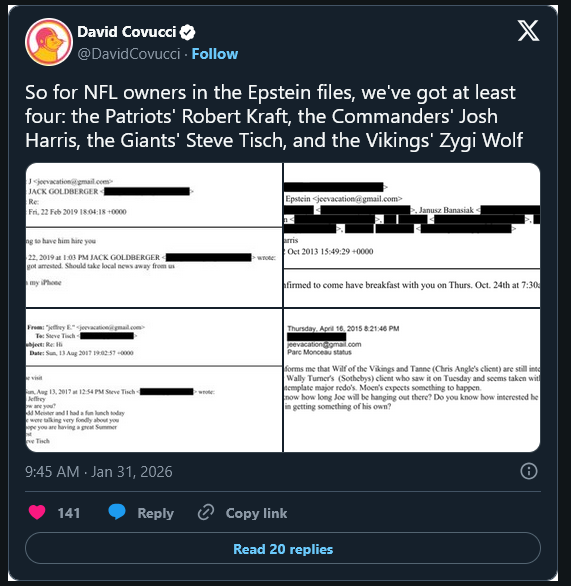
Robert Kraft who also founded, Blue Square. Who did fund raising with the Rales, one of whom flew on Epstein’s plane. We will get back to that in a bit.
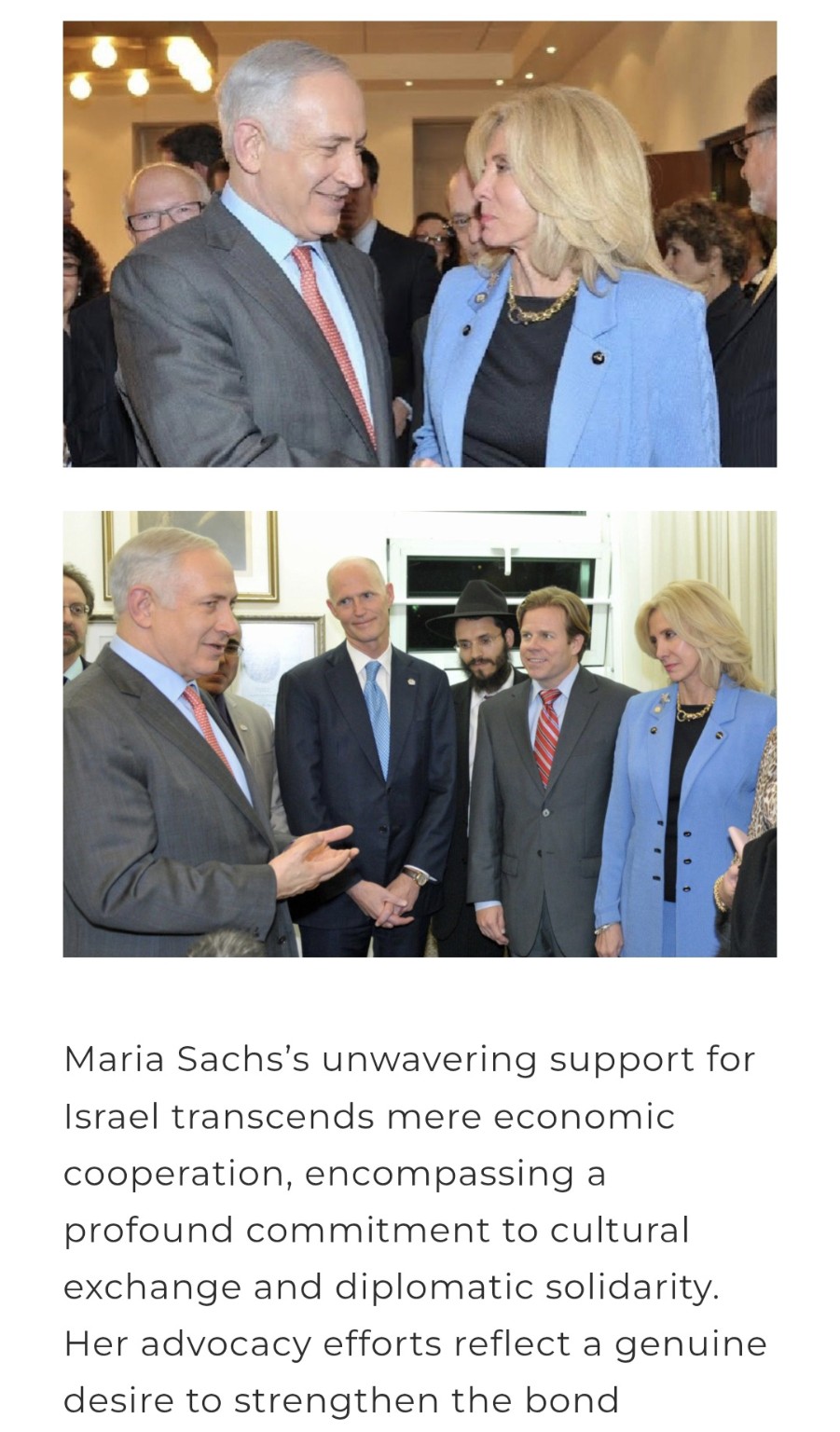
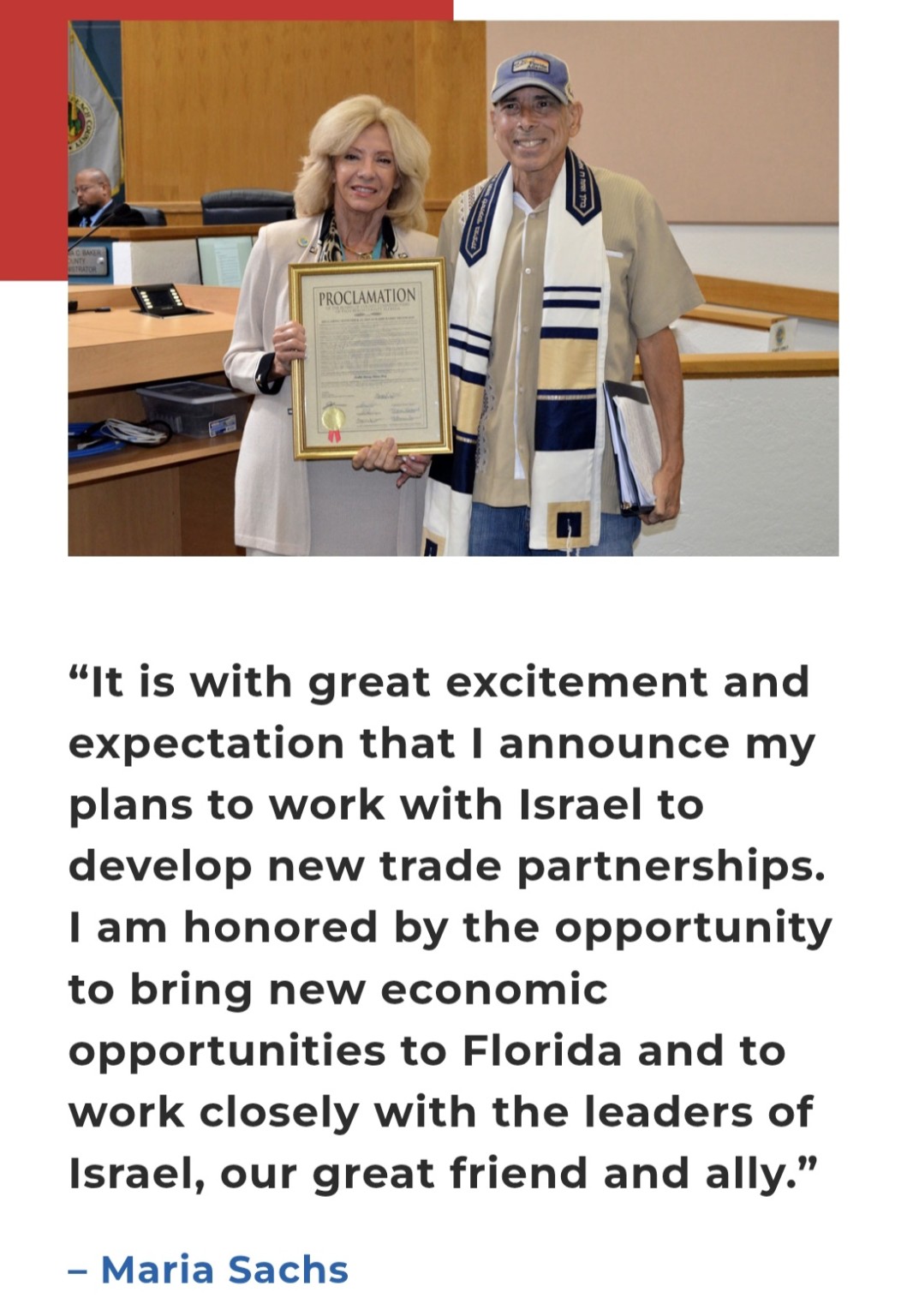
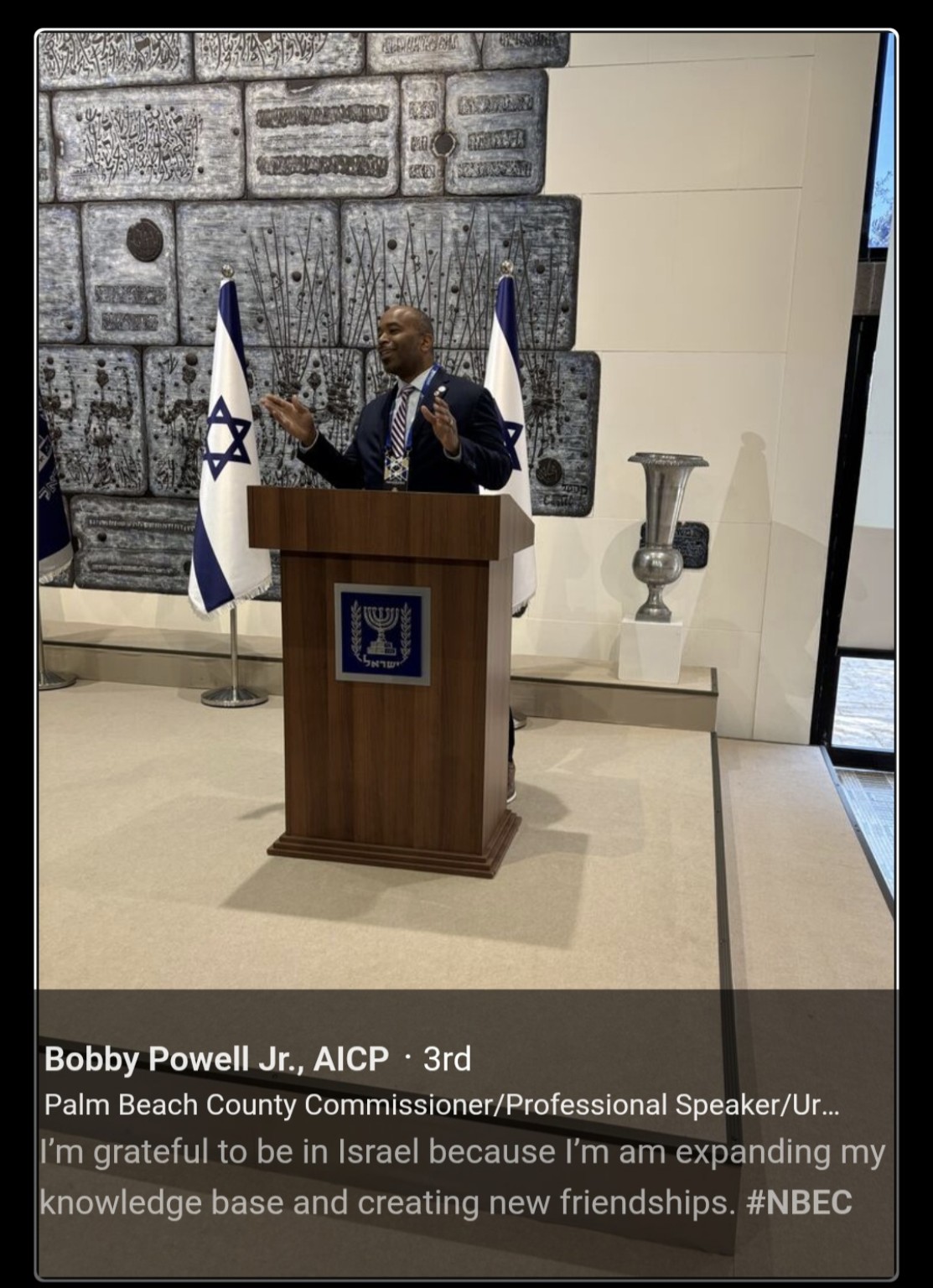
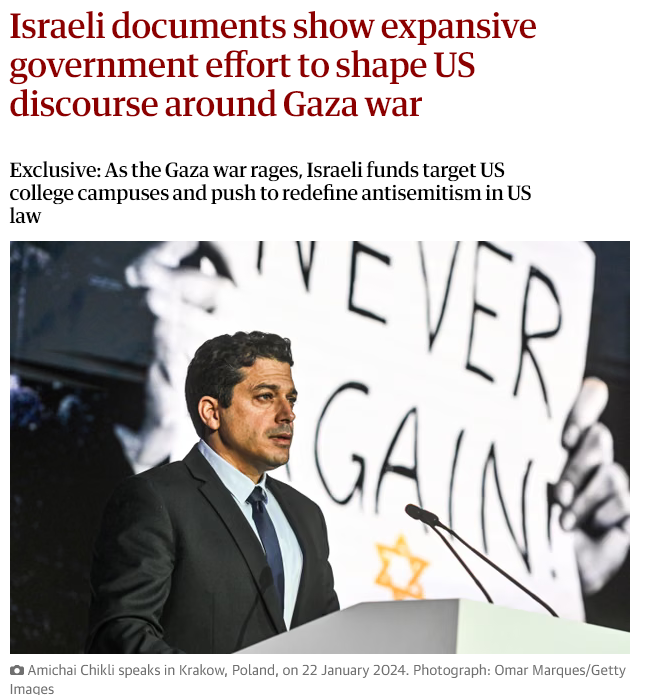

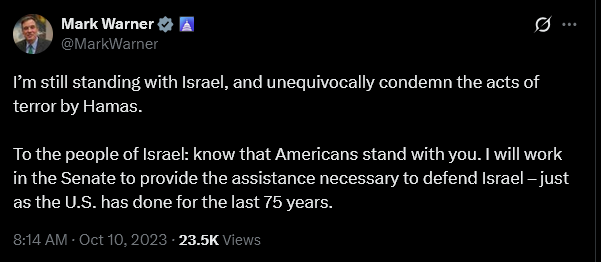
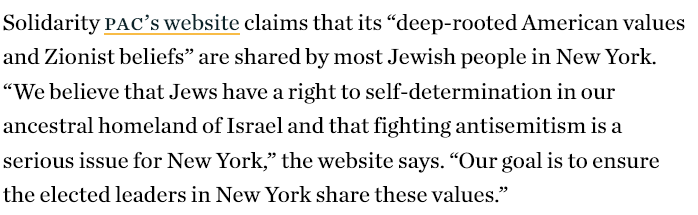
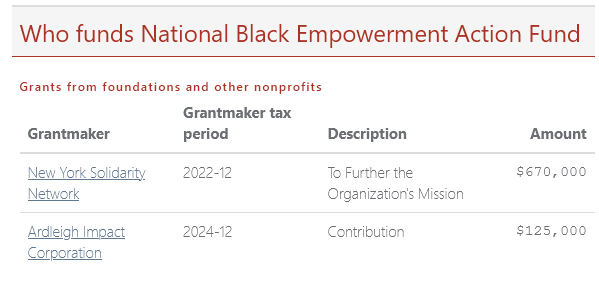
Senator Powell actually went to Israel with the NBEC, so its no surprise he gave support for this further investment. The head of the NBEC is Darius Jones, who is also the head of the NBEAF or the National Black Empowerment Action Fund. Even wilder is on the NBEAF about us page Darius Jones is said to have pent a decade as National African American Constituency Director for the American Israel Public Affairs Committee (AIPAC). Those are very direct ties. Not to mention the NBEAF receiving money from the NEW YORK SOLIDARITY NETWORK. The article linked to the photo below from NYS Focus says the PAC website openly claimed to be Zionist, Although when I went to the Solidarity Network website recently it appears they have removed that, likely due to changing public sentiment.
Really though I am not surprised with anyone wanting to give support. Israel has ran an extensive and well funded campaign to curry favor with our politicians since they became a country. And with some of our politicians having ties to the likes of Epstein and Maxwell, the possibility that some of them may have even been blackmailed seems even more possible. At least in my opinion the amount of money they have received from the likes of AIPAC is extremely low given how much money they are sending back to Israel.
Other states and local governments followed the same path
Ohio offers a useful contrast with Palm Beach because its purchases look more like active rollovers within a longstanding ladder. Official state releases show a $30 million Israel Bond purchase in February 2024, $15 million in March 2024, $30 million in May 2024, and $35 million in February 2025. Ohio said the May 2024 and February 2025 purchases replaced recently matured bonds, and it gave explicit coupon rates ranging from 4.78% to 5.37%. After the May 2024 purchase, Ohio said it held $262.5 million in Israel Bonds. That suggests Ohio was not simply throwing new money in every time; it was also rolling matured principal into fresh bonds.
Pennsylvania shows both the financial pattern and the ethics issue. AP reported in February 2024 that Pennsylvania held $56 million in Israel Bonds and about $8 million in other Israel based securities, about 0.14% of the actively managed funds the Treasury oversaw at the time. People protested against increasing investment in Israel then, which did no good as our politicians obviously no longer work for us. The Pennsylvania Treasury later said that as of July 1, 2025, it would hold $64.5 million in Israel Bonds, with the new bonds earning 4.96%, about 100 basis points above comparable U.S. Treasuries.
Spotlight PA then reported in March 2026 that Treasurer Stacy Garrity had invested $45 million into Israel Bonds since Oct. 7, 2023 and attended a “thank-you” event hosted by the bond firm, paying the ticket with campaign funds. That does not prove illegality, but it is exactly the kind of revolving public-role / relationship-building overlap that invites ethics questions.
Oklahoma also increased its position after Oct. 7. Oklahoma’s treasurer said in November 2023 that, after buying a $5 million bond in mid-October, the office bought another $10 million, bringing total holdings to $62.5 million. Local reporting on KOCO emphasized the public controversy directly: officials said taxpayers were effectively on the hook but argued the state would make money in the long run.
Risk, returns, and who bears the downside
There are two truths here at once. First, Israel Bonds have a long repayment history, and treasurers in Ohio, Pennsylvania, Illinois, Oklahoma, and Palm Beach County all cite that history and the current coupon advantage over Treasuries as the central reason for buying or renewing them. Second, the instruments are still single-issuer sovereign debt, and public pools can create real concentration risk if they lean too heavily into them. Both statements are simultaneously true.
Palm Beach County’s own documents make the risk point most clearly. The county’s 2024 audit explicitly defines concentration risk as risk arising from the magnitude of investment in a single issuer, and it shows State of Israel bonds at 16% of the total portfolio at fiscal year-end 2024. By January 2026, local reporting and the county itself put the share around 18% after the cap increase. For a public cash-management pool, that is a material slice of the portfolio in one foreign sovereign issuer — especially one whose rating the county listed as A / Baa1 rather than in the top sovereign tiers.
The basic taxpayer question is straightforward. County and state cash pools are public money. When Palm Beach officials say the extra yield means taxpayers do not have to supply an additional $23 million, they are already conceding the mirror image of the argument: if those extra returns fail to materialize, if liquidity becomes constrained, or if a credit event ever forces losses, taxpayers lose that cushion and would have to absorb the difference through some combination of foregone services, higher levies, or lower fiscal flexibility. That is an inference, but it is a direct inference from the county’s own “this reduces what taxpayers must pay” rationale.
On the narrower question of whether jurisdictions are actually making money or merely buying more bonds than they ever earn back, the answer is mixed. Ohio and Illinois clearly do receive coupon income and matured principal because their own releases describe purchases that replace or renew previous bonds at stated rates. Pennsylvania also reported explicit coupon spreads over Treasuries. Palm Beach, however, is plainly adding principal far faster than interest alone could explain: from $5 million in 2021 to $700 million in 2024 to $1 billion in 2026. So the best-supported conclusion is that some governments are rolling and earning on existing bonds, while Palm Beach in particular has simultaneously made a very large bet on Netanyahu.
Anti-boycott law, anti-divestment policy, and pro-Israel investment moved together
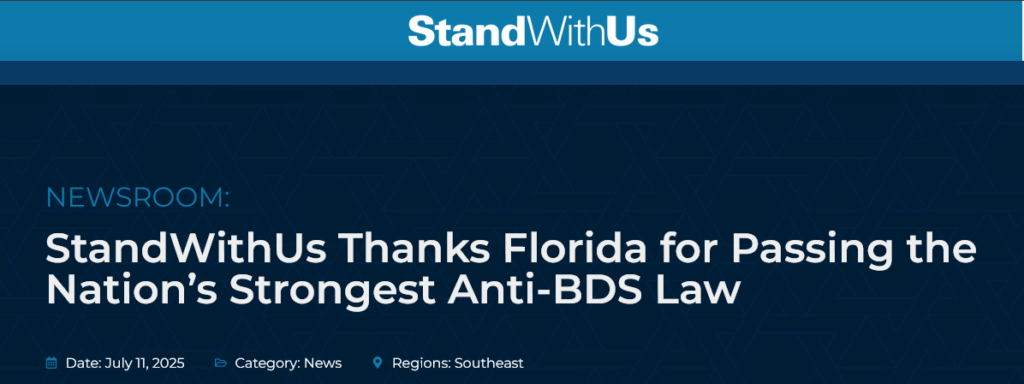
Texas is the clearest official example of how anti-divestment law and pro-Israel politics were linked at the executive level. Gov. Greg Abbott said when signing HB 89 in 2017 that the law prohibited state agencies from contracting with, and certain public funds from investing in, companies that boycott Israel. A second Texas governor’s release said Abbott’s phone call with Benjamin Netanyahu followed his earlier promise in Israel that he would seek legislation strengthening Texas’s relationship with Israel. That is not evidence of improper foreign control, but it is direct evidence that anti-BDS law was part of a state-led, openly cultivated political relationship with Israel.
Abbot went so far as to tell a City government that if they publicly opposed Israels advancement into Palestine he would with-hold money from them under the anti-BDS law. Abbots office went so far as to review their finances to see how much pressure they could apply to them.
https://legiscan.com/FL/text/S1678/id/3202532
Florida’s documented path is somewhat different. Instead of only restricting divestment from boycotting firms, the state also adjusted the positive-investment rules for Israel Bonds. The 2025 Israeli Bonds bill expanded local government authority to buy them, and Palm Beach County then relied on an even looser local cap to push its holdings to $1 billion. Put simply: in the states I examined, anti boycott policy and pro Israel investment policy were not separate occurrences. They were part of the same governing approach.
Now, I’m just some guy who likes to stream video games on Twitch, but this doesn’t sit right with me.
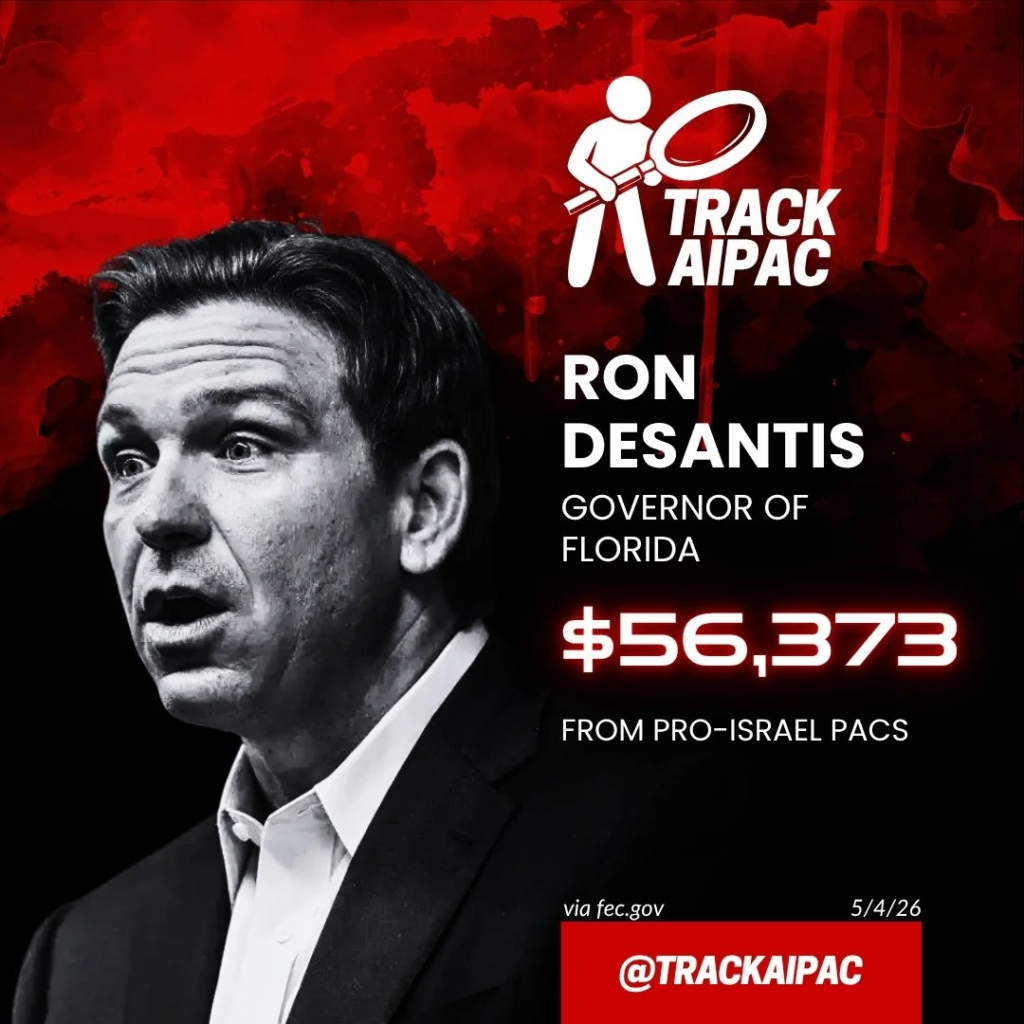
After hearing about Section 224 of the NDAA and the possibility of deeper U.S.-Israel military integration, I started looking into how deeply Israel’s government, lobbying network, and political allies are embedded in American politics. The more I looked, the more it seemed like this influence is not limited to one party, one state, or one level of government. Money flows to both Democrats and Republicans. Pro Israel organizations build relationships with officials at the federal, state, county, and city level. And when politicians are asked to put America first, too many of them seem to hesitate the second Israel is involved.
I also do not want to be smeared as antisemitic for asking basic questions about why the United States keeps getting pulled towards more war in the Middle East. I remember being told Iraq had weapons of mass destruction, and that turned out to be false. I remember watching 9/11 coverage all day, and later seeing people from my older brother’s friend group go off to fight in Afghanistan. Some of them never came back the same, some of them never cam back at all. I see people in my city struggling to survive, homeless encampments, single mothers working two jobs to pay bills, retirees looking for work due to rising prices. I have seen enough to believe that America has no business endlessly entangling itself in the Middle East.
And when you look around at what regular Americans are dealing with right now; rising gas prices, housing costs out of control, purchasing power collapsing, debt piling up, and working people falling further behind, it becomes harder and harder to justify sending billions overseas or tying public money to a foreign country’s war effort. Whatever someone thinks about Israel, Palestine, or the politics of the region, American taxpayers deserve to know why their money, their military, and their local governments keep being pulled into it.
~Blask